

Welcome to Mother Goose on the Loose, a fun-filled thirty minute interactive session that uses rhymes, songs, puppets, musical instruments and more to stimulate the learning process of babies and toddlers. Learn More

?
Why MGOL?

Mother Goose on the Loose is a proven method for planning and presenting programs that focuses on the WHOLE CHILD and incorporates research-based theories of learning, music, puppets, picture books, nursery rhymes, art, play, and language.

Read More
Workshops

Mother Goose on the Loose offers workshops with information about baby brain development and school readiness, as well as a hands-on Mother Goose on the Loose session.

Read More
Testimonials

“Betsy Diamant-Cohen’s Mother Goose on the Loose training was the most transformational workshop for our staff at the San Francisco Public Library.”

Christy Estrovitz, Early Literacy Specialist,
San Francisco Public Library
San Francisco, CA

Read More

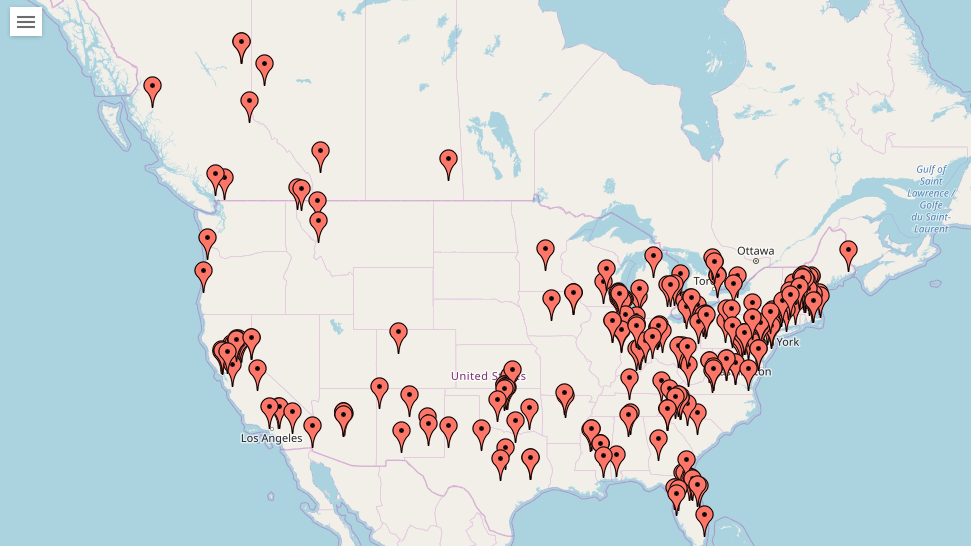
MGOL Around the Country

Some locations with MGOL or MGOL-based programs

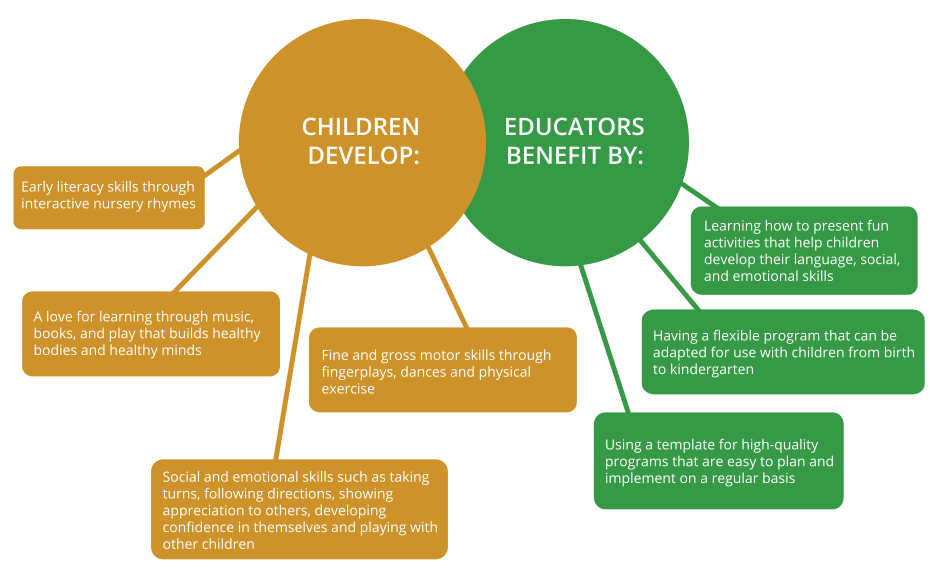
MGOL Program Benefits for Children & Educators

Latest Posts

Mother Goose on the Loose is “a typical public library program for babies, parents, and caregivers”

Share

A survey sent out by the ALSC Early Childhood Programs and Services Committee (ECPS) contained questions regarding current efforts by public libraries to serve parents/caregivers and their babies.  Although responses showed that programs varied significantly in frequency, attendance, and length, in a recent article in Children and Libraries, the following quote was used to “best exemplify the typical public library program for babies, parents and caregivers:

We hold Mother Goose on the Loose once a week.  It is a drop-in program usually attended by ten to fifteen babies and at least one parent/caregiver per child. The purpose is to increase early literacy and social skills in a relaxed, fun environment and to model and teach methods, activities, songs, and rhymes for parents/caregivers.” (Nemec 2011, 20)

Check it out at: Nemec, Jenna. “It’s (Still) Never Too Early to Start!” Children and Libraries 9:3, Winter 2011, 15-21.